Introduction
In the realm of construction and home improvement, masonry stands as a time-honored craft that embodies durability, aesthetic appeal, and functional design. From majestic brick buildings to intricate stone facades, masonry techniques have evolved over centuries, showcasing not just strength but also artistry. Masonry contractors are the unsung heroes behind these structures; they possess the skills and expertise necessary to turn raw materials into masterpieces.
In this comprehensive article, we will delve deep into the various styles and techniques employed by professional masonry contractors. We'll explore everything from traditional methods to contemporary innovations, providing valuable insights for homeowners, architects, and enthusiasts alike who wish to understand the nuances of this remarkable trade.
The Essence of Masonry: What Makes It Unique?
Defining Masonry
Masonry is more than just stacking bricks or stones. At its core, it involves a combination of art and science, where skilled hands transform basic materials into durable structures. The unique aspect of masonry lies in its versatility; it can be used for creating walls, pathways, fireplaces, and even stunning architectural features.
Why Choose Masonry?
- Durability: Masonry structures can withstand harsh weather conditions. Aesthetic Appeal: The natural beauty of stone and brick adds character to any project. Low Maintenance: Once properly constructed, masonry requires minimal upkeep. Energy Efficiency: Masonry has excellent thermal mass properties.
Exploring Different Styles and Techniques With Professional Masonry Contractors
1. Traditional Brickwork: A Classic Choice
What Is Traditional Brickwork?
Traditional brickwork is characterized by its use of fired clay bricks laid in specific patterns. It’s not just about function; it's an art form that dates back thousands of years.
Common Patterns Used in Brickwork
- Stretcher Bond Header Bond English Bond Flemish Bond
Each pattern serves a different purpose aesthetically while providing structural integrity.
2. Stone Masonry: Timeless Elegance
Types of Stone Used in Masonry
Stone masonry employs natural stones like granite, limestone, slate, and sandstone. Each type has distinct characteristics that contribute to both durability and aesthetic appeal.
Techniques in Stone Masonry
- Dry Stone Walling Ashlar Stone Work Rubble Stone Work
These techniques vary in complexity but offer unique visual results that elevate any structure.
3. Concrete Block Construction: Modern Efficiency
Why Use Concrete Blocks?
Concrete blocks are favored for their strength and cost-effectiveness. They come in various sizes and shapes, offering flexibility in design.
Applications of Concrete Block Construction
From residential homes to commercial buildings, concrete block construction provides a solid foundation with minimal labor costs involved compared to traditional materials.
Advanced Techniques Employed by Professional Masonry Contractors
4. Thin Veneer Installation: A Modern Twist on Tradition
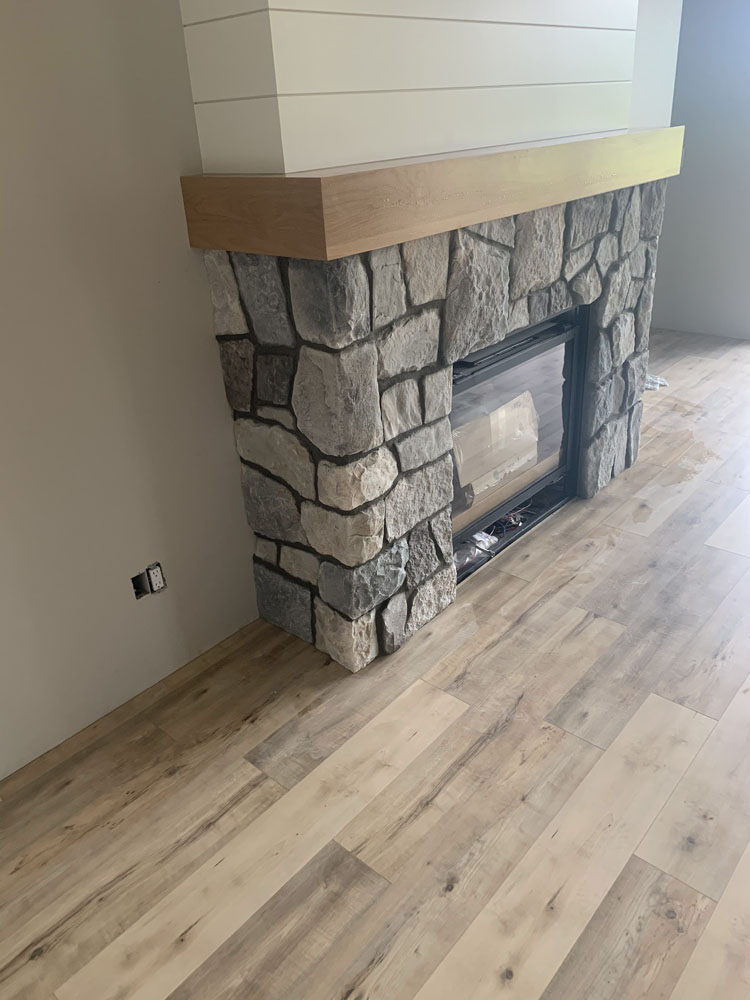
Thin veneer installation allows homeowners to achieve the look of solid stone or brick without the bulk. This technique involves applying a thin layer of stone or brick over other materials such as wood or cement board.
Masonry Contractor5. Glass Block Installation: A Contemporary Style
Glass blocks bring light into spaces while providing privacy—a perfect blend for modern homes looking for unique architectural elements.
6. Structural Reinforcement Techniques
Reinforced masonry combines traditional methods with modern engineering principles to enhance structural integrity while maintaining aesthetic value.
Sustainability in Masonry Practices
7. Eco-Friendly Materials Used by Professional Masonry Contractors
With an increasing focus on sustainability, many masonry contractors now utilize eco-friendly materials such as reclaimed bricks or sustainably sourced stones.
8. Energy-Efficient Building Techniques
Masonry can contribute significantly to energy efficiency through methods like insulated concrete forms (ICFs) which provide better insulation than standard concrete walls.
Masonry Tools Every Contractor Should Have
9. Essential Tools for Professional Masons
Professional masonry contractors rely on a variety of tools to execute their craft effectively:
| Tool | Purpose | |---------------|----------------------------------| | Trowel | For spreading mortar | | Level | Ensures surfaces are even | | Jointers | For finishing joints | | Chisels | For shaping stones |
10. Advanced Technology in Masonry
Emerging technologies such as 3D printing have begun making waves within the industry—allowing contractors to create custom designs efficiently while minimizing waste.
Lake Oswego masonry contractorDesign Inspirations from Around the World
11. European Influences on Modern Masonry
Europe boasts some iconic structures characterized by intricate masonry work—from Gothic cathedrals to rustic cottages—each offering inspiration for modern projects.
12. Asian Aesthetics in Contemporary Design
Asian architecture often embraces harmony with nature through natural materials like bamboo combined with stone or clay—a practice gaining popularity among today’s masons seeking inspiration beyond borders.
FAQs About Professional Masonry Contractors
FAQ 1: What Is the Average Cost of Hiring a Masonry Contractor?
The cost varies widely based on several factors including location, complexity of work desired (e.g., custom designs), choice between materials used (brick vs stone vs concrete), etc.—typically ranging from $15-$75 per hour plus material costs!
FAQ 2: How Long Does It Take To Complete A Typical Masonry Project?
Completion timelines depend heavily on project scope; simple jobs may take days while large scale constructions could span weeks or months depending upon weather conditions too!
FAQ 3: Are There Any Special Certifications Required For Masons?
Yes! Many regions require licensing/certification specific requirements ensuring contractors meet safety regulations along with building code compliance standards before starting work!
FAQ 4: Can I Do My Own Bricklaying Or Stonework?
While DIY projects are tempting—especially given resources available online—it’s recommended hiring professionals unless you have prior experience since mistakes could lead costly repairs later down line!
FAQ 5: How Do I Choose The Right Style Of Masonry For My Home?
Consider your home’s architecture first—traditional styles pair well older homes whereas contemporary designs suit modern builds best! Consult local professionals who can guide according individual preferences too!
FAQ 6: What Maintenance Is Required For Brick And Stone Structures?
Routine cleaning helps maintain appearance but check joints regularly seal any cracks/voids prevent moisture damage over time extending lifespan significantly!
Conclusion
Exploring different styles and techniques with professional masonry contractors reveals a world filled with creativity intertwined deeply within historical roots yet constantly evolving towards sustainable practices today! Whether you're considering a new construction project or simply intrigued by this exquisite craft—it’s clear that professional masons possess an unmatched blend knowledge artistry needed transform visions reality effortlessly!
If you’re ready to take your project off paper into life—consider hiring skilled professionals who understand nuances involved ensuring every detail executed perfectly reflecting aspirations while standing test time beautifully long after completion!